 Discounts on Package Ads
Electric Cars 2025-Whats Coming Next in the World of EVs
The Future of Electric Cars
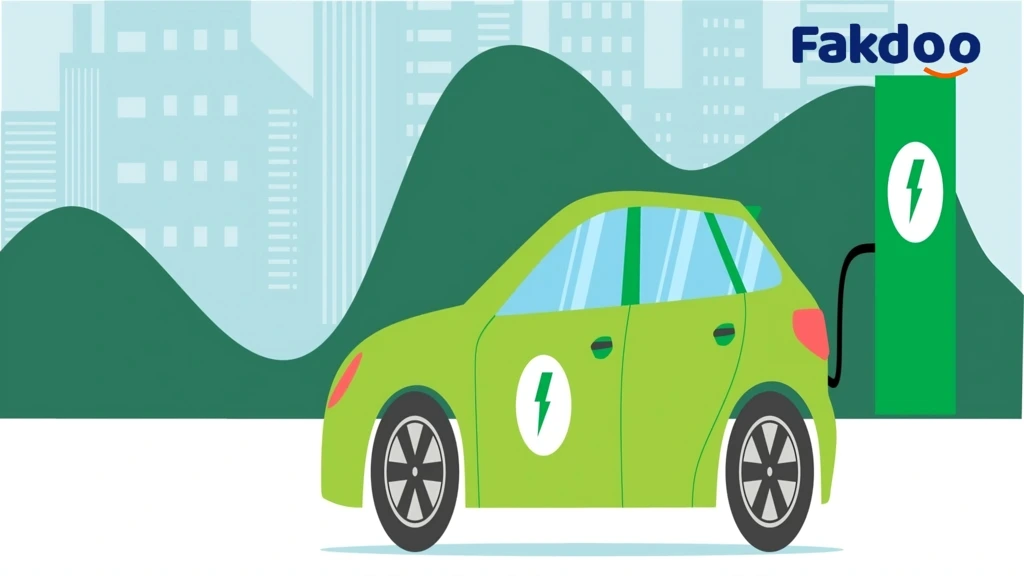
The automobile market is experiencing one of its most thrilling and revolutionary times. With green issues on the rise and technology moving at lightning speed, electric vehicles (EVs) are no longer a thing of the future – they're here, and they're redefining the future of transportation. Looking forward, the next half a decade holds a lot of promise with exciting changes that will further reduce the costs, make electric cars more affordable and efficient. Here's what the future of electric vehicles holds:
1. A Surge in EV Adoption
In recent years, EV adoption has taken off and continues to do so unabated. Governments worldwide are now offering incentives, subsidies, and regulations to consumers and manufacturers alike to switch to electric. With more and more manufacturers committing to electrification of their fleets and ending the sales of combustion vehicles, the number of electric cars on offer to consumers will skyrocket.
By 2025, we can anticipate almost all major automakers having at least one electric model in each category of vehicles – from luxury SUVs to affordable sedans. This range will make EVs an even more practical option for consumers, no matter their needs and budgets.
2. Drastically Improved Battery Technology
One of the main obstacles to electric cars has been the expense and limitations of batteries. Yet, advances in battery technology are likely to overcome many of those challenges.
Increased Range: The next five years will witness the creation of batteries that provide much higher energy density, such that EVs will go further on a single charge. We can now anticipate inexpensive EVs with ranges over 400 miles per charge, with some top-of-the-line models reaching the 500-mile horizon.
Quicker Charging: EV charging will be quicker and more convenient than ever before. Ultra-fast charging points are likely to be common, and motorists will be able to refuel their EVs to 80% in as little as 20-30 minutes – the same time it takes to fill up at a fuel station.
Lower Costs: With advancements in battery technology, costs are likely to come down dramatically. The cost of batteries, which forms a significant part of the price of an EV today, will be lower, and electric vehicles will be in reach for mass consumers.
3. More Charging Stations and Infrastructure
Range anxiety, or the fear of running out of power before a charging station can be reached, has been a major concern for EV owners. That fear will abate over the next half decade as the charging infrastructure grows exponentially.
Governments, private industries, and car manufacturers are heavily investing in the construction of fast-charging stations along highways, cities, and even rural areas. There should be sufficient charging stations by 2025 so that EV drivers can drive without constantly wondering where to get charged.
4. Autonomous Driving Developments
Autonomous driving technology and electric cars go together. Although autonomous vehicles (AVs) are still in their formative years, the next five years will take them much closer to reality, particularly in the case of electric cars. EVs are better equipped to handle the more sophisticated driver-assistance systems (ADAS) because of their quieter motors, reduced mechanical complexities, and embedded software.
Autonomous driving features like lane-keeping, self-parking, and even full self-driving capabilities will become standard in many EV models by 2025. Companies like Tesla, Waymo, and others are working toward fully autonomous vehicles, and we’re likely to see semi-autonomous EVs become common on the roads in the coming years.
5. Increased Focus on Sustainability
Sustainability will remain a key driver in the creation of electric vehicles. Car manufacturers are going beyond the emissions of the vehicle itself and finding new ways to green their entire manufacturing processes.
Recyclable Materials: Sustainable materials will be used more and more in the building of EVs by manufacturers. For example, recycled metals, bioplastics, and green fabrics will become more prevalent.
Green Manufacturing: Automakers will increasingly enhance the sustainability of their factories by using renewable resources and reducing waste.
Battery Recycling: With more electric cars driving down the road, battery recycling will also be on the rise. In the future, recycling technologies will improve to the point where manufacturers can recover precious materials from retired batteries and use them in new EVs, thereby making the whole life cycle of an electric vehicle more eco-friendly.
6. Smart Cars with Integrated Technology
Electric cars are naturally more adaptable to the latest tech innovations, and over the next few years, we’ll see more EVs equipped with cutting-edge features. Expect the following:
Improved Connectivity: Cars will become more integrated with smart home devices, smartphones, and even wearable tech. You’ll be able to control vehicle settings like temperature, battery charge, and navigation through your phone or voice assistant.
Advanced Infotainment: The infotainment system in the car will be a source of entertainment and productivity, complete with seamless streaming, personalized content, and even virtual personal assistants that assist with daily life.
Enhanced Safety Features: AI-based safety features will transform EVs into intelligence-driven vehicles. Look for more advanced driver-assistance systems, collision avoidance, and automated braking features enabled by advanced sensors and software.
7. The Growing EV Market: Global Expansion
Although electric vehicles are presently more prevalent in some areas such as Europe, North America, and China, in the coming five years, the trend of EV uptake will become widespread globally. Emerging markets, where automobile ownership is increasing dramatically, will witness increased demand for low-cost electric cars.
Affordability: New players in the EV industry, especially Asian manufacturers, will come up with affordable electric vehicles that are as cheap and as practical as conventional combustion cars. This will bring EVs within reach of the global masses.
Electric Buses and Trucks: The future of electric cars is not just about passenger vehicles. The world move towards minimizing carbon emissions will also create the boom of electric commercial transport, such as buses, trucks, and even delivery vans, rendering transport more eco-friendly.
---
Conclusion: A Brighter, Greener Future
The future of electric vehicles is wonderfully exciting, and the next half-decade will see some revolutionary developments. With greater ranges and quicker charging times, as well as cheaper and more environmentally friendly choices, electric cars will increasingly transform the way we travel.
As automakers, governments, and consumers collaborate to drive the transition to electric vehicles, we'll witness a shift towards a cleaner, greener, and more connected future. Whether you're an early adopter or just thinking about making the switch, the future of driving has never looked brighter. The next 5 years are just the start of an electric revolution on our roads.