 Discounts on Package Ads
Brand New Tires vs Retread Tires for Commercial Vehicles
Retread Tires or Brand New?
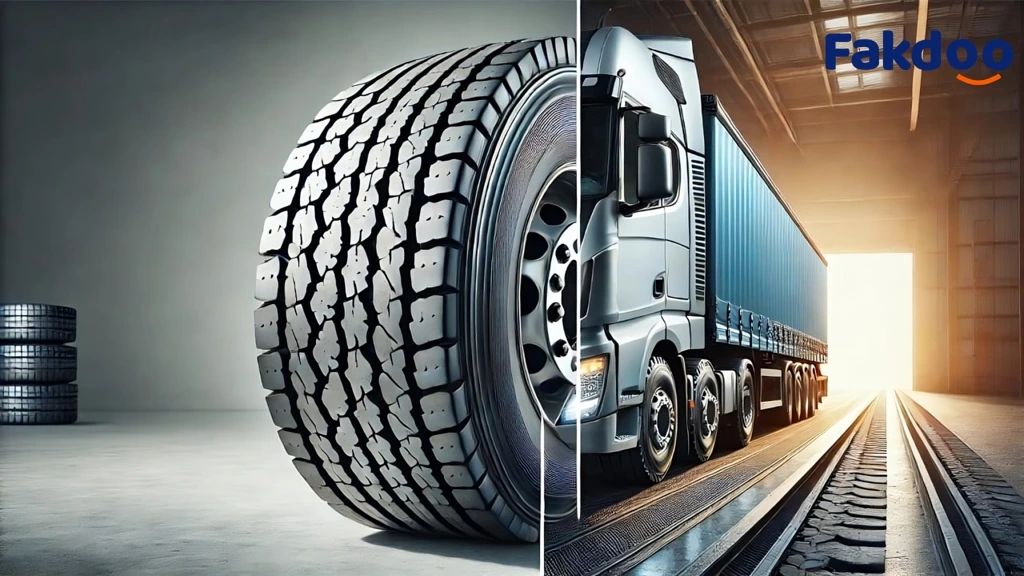
When it comes to maintaining and operating commercial vehicles, one of the most crucial aspects to consider is the condition and quality of the tires. Tires play an essential role in ensuring safety, fuel efficiency, and overall performance. With many commercial fleet managers looking to optimize their vehicle’s operating costs, a common debate is whether to opt for brand-new tires or retread (remote) tires. Both types have their advantages and potential drawbacks. In this blog, we’ll compare brand new tires and retread tires to help commercial vehicle owners and fleet managers make an informed decision.
What Are Brand New Tires?
Brand new tires are those that are manufactured from scratch using fresh materials. They are made from a combination of rubber, steel, and other components that provide durability, grip, and performance. These tires have never been used before and are designed to meet the highest safety and performance standards set by tire manufacturers. When you purchase brand new tires, you’re getting a product with the latest tire technology, which usually includes better fuel efficiency, improved handling, and a longer lifespan.
What Are Retread Tires?
Retread tires (also called “remote” tires) are used tires that have been refurbished. The process involves removing the worn-out tread of the tire and replacing it with a fresh layer of tread. The retreaded tire is carefully inspected to ensure it meets safety and performance standards. Retreading is commonly done on commercial vehicle tires because it offers a more cost-effective solution compared to buying brand new tires. Retreading can extend the life of a tire and is often seen as an eco-friendly option because it reduces waste by reusing the tire’s casing.
Brand New Tires vs. Retread Tires: A Comparison
1. Cost
- Brand New Tires: Typically, the upfront cost of brand new tires is higher than retread tires. However, they come with a full warranty, meaning that if the tire fails early due to a manufacturing defect, the cost will be covered.
- Retread Tires: Retread tires are significantly cheaper than new tires, often costing 30-50% less. For commercial fleets with many vehicles, the cost savings can be substantial, especially when you need to replace tires frequently.
2. Durability and Lifespan
- Brand New Tires: New tires generally have a longer lifespan than retreaded ones. The fresh rubber and tread design contribute to superior wear resistance and better performance in a variety of conditions. Typically, they can last anywhere from 40,000 to 70,000 miles, depending on the tire type and usage.
- Retread Tires: Retread tires are durable, but their lifespan is often shorter than that of new tires. The quality of the retread process, the type of casing used, and how the tire is maintained will influence its longevity. Retreaded tires are typically used for around 30,000 to 40,000 miles.
3. Performance and Safety
- Brand New Tires: New tires are equipped with the latest tire technology, such as advanced tread designs and rubber compounds that improve grip, handling, and braking. They provide a higher level of performance, especially under extreme weather conditions. New tires also come with better overall safety features, including enhanced resistance to punctures and blowouts.
- Retread Tires: While retread tires can perform well, they may not offer the same level of grip and safety features as new tires. The quality of retreading has improved over the years, and many retreaded tires meet or exceed safety standards. However, they may not handle extreme conditions (such as icy roads or heavy loads) as effectively as brand-new tires.
4. Environmental Impact
- Brand New Tires: The production of new tires involves the use of raw materials, energy, and manufacturing processes that contribute to a higher environmental footprint. Additionally, tires that wear out contribute to waste.
- Retread Tires: Retreading is an environmentally friendly option because it reduces the number of tires that end up in landfills. By reusing the tire casing, retreading significantly cuts down on the need for raw materials and the energy required for manufacturing new tires. This makes retreading a more sustainable choice for fleets looking to reduce their carbon footprint.
5. Maintenance and Repair
- Brand New Tires: New tires generally require less immediate attention after purchase. However, like all tires, they do require regular maintenance, including tire rotations, balancing, and alignment checks.
- Retread Tires: Retreaded tires require more frequent inspection, particularly since their durability is slightly reduced compared to new tires. Proper maintenance is crucial to extend the life of retreaded tires and ensure they perform well throughout their lifespan. Regular inspections for wear and tear are essential to avoid sudden failures.
6. Usage and Application
- Brand New Tires: New tires are often preferred for vehicles that operate in demanding conditions, such as those that carry heavy loads, travel long distances, or drive in areas with extreme weather conditions. They are the ideal choice for long-haul trucks, especially when performance and safety are top priorities.
- Retread Tires: Retread tires are commonly used for vehicles operating in less demanding conditions, such as regional delivery trucks, buses, or vehicles that don’t require the highest level of performance. They are often used for secondary axles or as a cost-saving measure on vehicles that operate in moderate conditions.
Which One Should You Choose?
The choice between brand new tires and retread tires ultimately depends on your specific business needs, budget, and operational requirements.
- Choose Brand New Tires if:
- You prioritize the highest level of safety, performance, and durability.
- Your commercial vehicles are involved in long-haul transportation or operate in extreme conditions.
- You want the peace of mind that comes with a full warranty on the tire.
- You are willing to invest in a higher upfront cost for longer-lasting tires.
- Choose Retread Tires if:
- You have a large fleet and are looking to reduce costs without compromising safety.
- Your vehicles typically operate in moderate conditions or have less demanding roles.
- You are environmentally conscious and want to reduce waste by opting for a sustainable tire option.
- You are able to maintain and monitor tire condition carefully to avoid potential issues.
Conclusion
Both brand new and retread tires have their pros and cons. Brand new tires offer superior performance, longer lifespan, and better safety features, making them ideal for demanding commercial vehicle operations. On the other hand, retread tires provide a more cost-effective and environmentally friendly option, especially for vehicles operating under less extreme conditions. Ultimately, the choice will depend on your budget, operational needs, and how much emphasis you place on performance versus cost savings. By carefully considering the advantages of each, you can make the best choice for your fleet and ensure your vehicles remain roadworthy and efficient.