 Discounts on Package Ads
Plans by the Government to Stop Beggars from Entering India
Preventing Begging Migration: India’s New Strategy
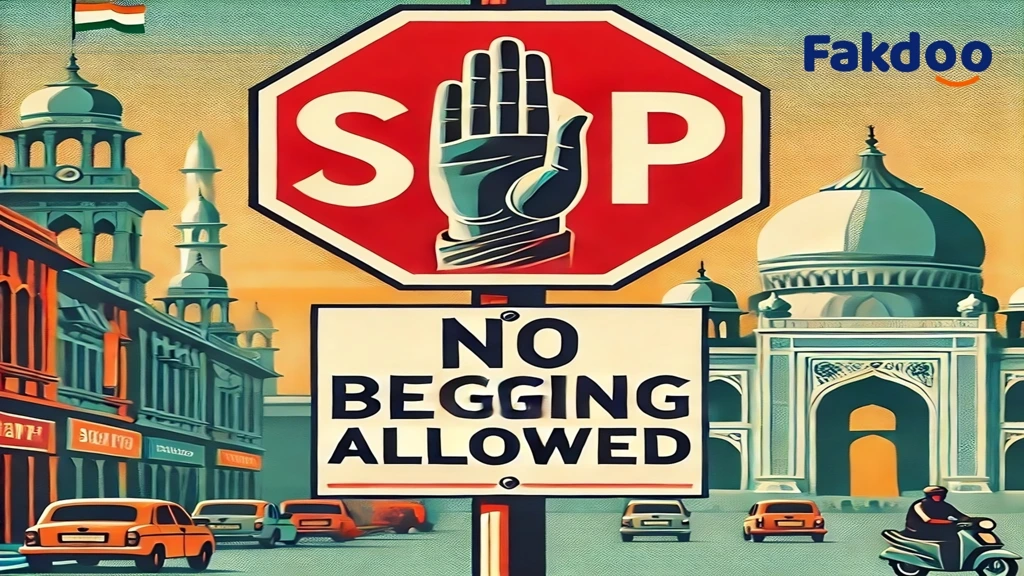
India, with its rich cultural heritage and rapidly developing economy, continues to be a hub for migration, both internally and across borders. Unfortunately, along with the migration of skilled workers, laborers, and refugees, there has also been an increasing influx of beggars from neighboring countries. This growing issue has become a concern for local governments, cities, and citizens alike. As 2025 unfolds, the Indian government has outlined a series of strategies aimed at addressing the rise of beggars entering the country. In this blog, we’ll explore the government's plans to tackle this issue, the challenges involved, and the potential impacts on both local communities and the national economy.
The Growing Challenge of Begging in India
The issue of begging in India is not a new one. However, in recent years, the situation has worsened due to a variety of factors, including poverty, migration, and the lack of effective social welfare programs in some regions. Beggars often migrate from neighboring countries, such as Bangladesh, Nepal, and even Myanmar, seeking a better life or simply trying to survive.
India’s large urban centers, including Delhi, Mumbai, and Kolkata, have witnessed a marked increase in the number of beggars, with some estimates suggesting that the problem is growing by the day. The sight of beggars in public places has raised social concerns and challenges related to sanitation, crime, and the overall quality of life in major cities.
Government Plans to Address the Issue
In response to this rising concern, the Indian government has started to implement several measures in 2025 to prevent beggars from entering the country and curb the growth of begging in urban areas. These plans are multifaceted, involving border control measures, social initiatives, and collaboration with local authorities.
1. Enhanced Border Control and Surveillance
One of the primary strategies the government is considering is strengthening border security. Beggars often cross the porous borders of India’s neighboring countries, taking advantage of weak surveillance and immigration control systems. By enhancing the capacity of border security forces and increasing surveillance technologies (such as drones and motion sensors), the government plans to prevent individuals from crossing into India unlawfully.
Specialized teams will be deployed along key border areas to monitor suspicious activities and assist in the identification and deportation of beggars found entering the country. This will also involve increased cooperation with the border control agencies of neighboring countries to ensure that people are not entering India with the intention of begging or engaging in other illicit activities.
2. Identification and Rehabilitation Programs
Rather than simply focusing on prevention, the government is also emphasizing rehabilitation. Begging is often a symptom of deeper socio-economic issues, such as lack of access to education, healthcare, and employment opportunities. The government plans to introduce more comprehensive social programs aimed at identifying individuals who may resort to begging as a last resort for survival.
Rehabilitation programs will focus on providing beggars with vocational training, education, healthcare, and housing. Authorities will work in coordination with NGOs and local community groups to ensure that individuals who are found begging are given the resources they need to reintegrate into society.
3. Strict Penalties for Employers of Beggars
To reduce the profitability of begging, the government is introducing stricter laws and penalties for individuals or groups found exploiting beggars. This includes human traffickers who force people into begging or those who run organized begging rings. Through harsher punishment, the government aims to disrupt the networks that enable the practice and dissuade people from relying on begging as a livelihood.
4. Awareness Campaigns and Public Participation
In 2025, the government has launched several awareness campaigns to educate the public about the root causes of begging and how citizens can contribute to addressing the issue. These campaigns will include public service announcements on TV, radio, and social media platforms, urging people not to encourage begging by offering money on the streets. Instead, citizens will be encouraged to donate to registered charitable organizations that provide long-term support and rehabilitation for the homeless and marginalized.
The government is also encouraging people to report sightings of beggars at specific locations through apps and hotlines, allowing local authorities to respond quickly and offer assistance where necessary.
The Challenges Ahead
While the government's plans to stop beggars from entering India may seem promising, there are several challenges ahead. One of the biggest hurdles will be balancing the protection of human rights with the need to control migration. While many of the beggars entering India are fleeing poverty and lack of opportunity in their home countries, the government must ensure that any measures taken do not violate their fundamental rights, especially for refugees and asylum seekers.
Additionally, there are concerns regarding the social stigma associated with begging. Even if successful rehabilitation programs are implemented, many beggars have developed a lifestyle and mindset that may be difficult to change. Overcoming social exclusion and reintegrating these individuals into society will require time, resources, and collaboration among government bodies, social workers, and the public.
The Road Ahead
As 2025 progresses, India’s government faces an intricate challenge in curbing the rise of begging and preventing individuals from crossing the borders with the intention to beg. By focusing on border control, rehabilitation, public awareness, and strict legal measures, the government hopes to tackle the issue holistically. The ultimate goal is to create a system that reduces the need for begging and offers every individual the chance to live a dignified life. However, for these measures to be effective, cooperation between the government, NGOs, and local communities is essential.
If the plans succeed, India could set a precedent for managing migration and social welfare in a way that respects both national security and human dignity. In the years to come, it will be interesting to monitor the impact of these measures on the country’s social and economic landscape.
Conclusion
The government’s 2025 plans to stop beggars from entering India represent a much-needed effort to address a growing social issue. By implementing stronger border security, rehabilitation initiatives, and legal frameworks, the government is taking proactive steps to control the influx of beggars. However, the success of these measures depends not only on enforcement but also on creating long-term solutions that address the underlying causes of begging. Only through a balanced approach, rooted in compassion and social justice, can India hope to solve this issue effectively.